


Designing with Artificial Intelligence
Art has always evolved alongside technology, and artificial intelligence is opening an exciting new chapter in creative expression. Today, creators can transform written ideas into intricate illustrations, generate realistic imagery, experiment with imaginative styles, and explore visual concepts that once seemed impossible.
AI art is no longer just about generating images. It is becoming an essential part of digital design, marketing, entertainment, product development, and visual storytelling.
At QuantumLeap, we believe the future of creativity lies in combining human imagination with intelligent technology. Let’s explore the key trends shaping the next generation of AI-powered art.
At QuantumLeap, we envision a future where creative technology helps people bring their ideas to life with greater freedom and flexibility.
AI-powered visual tools can support creators at every stage of the process, from developing an initial concept to generating images and refining the final result.
Whether you’re a digital artist, marketer, designer, entrepreneur, or creative enthusiast, exploring AI art can help you discover new approaches to visual expression.
Our focus is on the possibilities that emerge when innovative technology meets human imagination.
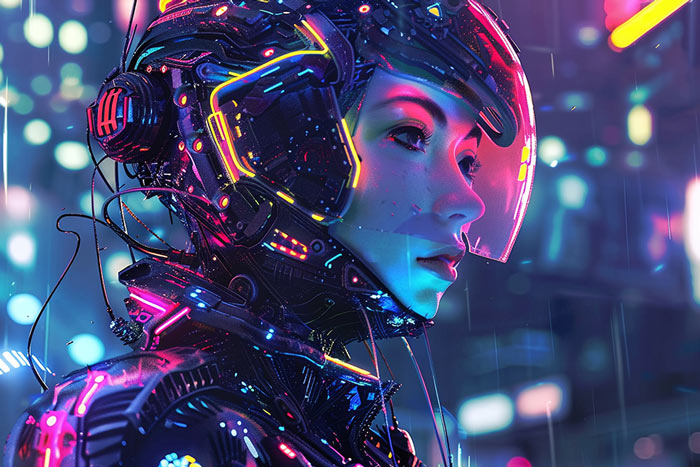
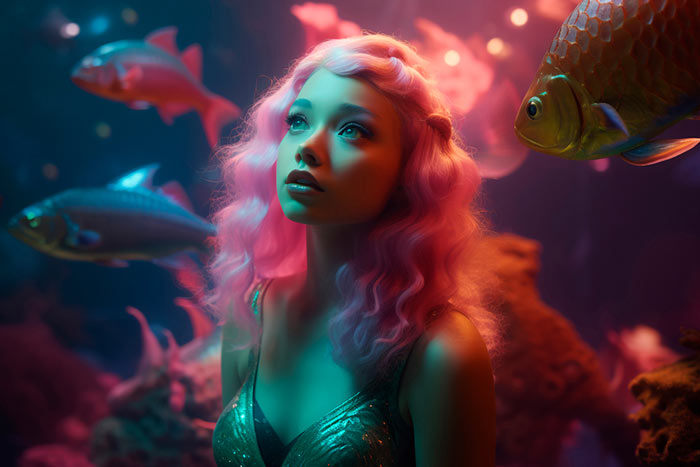
AI art is transforming how people imagine, create, and share visual content. From hyperrealistic imagery and personalized artwork to motion design and immersive virtual environments, these trends are opening new creative opportunities across industries.
As technology continues to evolve, the most valuable skill will be learning how to use these tools thoughtfully, experiment with new ideas, and develop a distinctive creative perspective.
The future of AI art is not defined by technology alone. It is shaped by the people who use it to express ideas, tell stories, and imagine something new.
A Beginner’s Guide to AI Image Generation
At QuantumLeap, we believe the future of creativity lies in combining human imagination with intelligent technology. Let’s explore the key trends shaping the next generation of AI-powered art.
1. Hyperrealistic AI-Generated Images
One of the most exciting developments in AI art is the ability to create increasingly realistic visuals. Advanced image generation techniques can produce detailed textures, natural lighting, convincing materials, and sophisticated compositions.
From professional-looking product photography to lifelike portraits and cinematic landscapes, hyperrealistic AI art is expanding the possibilities for digital content creation.
Businesses can use these visuals to explore advertising concepts, while designers can experiment with creative directions before committing to a final production.
As realism improves, reviewing generated images for inaccuracies and visual inconsistencies remains an important part of the creative process.
2. Personalized and Custom AI Art
Personalization is becoming a major part of digital creativity. Instead of relying on generic visuals, creators can use AI tools to explore artwork tailored to specific themes, audiences, brands, and personal preferences.
By adjusting prompts, colors, styles, and composition, users can develop visuals that better reflect their creative identity.
This trend offers exciting opportunities for customized illustrations, branded content, personalized gifts, and distinctive digital artwork.
The result is a more flexible creative process in which individual ideas can guide the final visual experience.
3. AI-Powered Video and Motion Art
AI creativity is expanding beyond still images into video, animation, and motion-based storytelling. Emerging tools can help transform images and text descriptions into moving scenes, animated concepts, and dynamic visual sequences.
These capabilities are creating new possibilities for social media content, digital advertising, short films, and creative presentations.
Creators can experiment with movement, atmosphere, and storytelling while exploring ways to produce engaging content more efficiently.
As these technologies develop, consistency between frames, realistic movement, and creative control will remain important areas of progress.
4. The Rise of 3D AI Art and Virtual Worlds
Three-dimensional design and AI-generated environments are creating new opportunities for immersive creativity.
AI-assisted workflows can support the development of virtual landscapes, conceptual architecture, game environments, product prototypes, and digital objects.
For game developers and digital artists, these tools can help explore ideas, create visual references, and develop imaginative worlds more quickly.
As AI becomes more integrated with 3D design software, the connection between concept art and interactive digital experiences is likely to grow stronger.
5. AI Art for Marketing and Branding
Visual content plays a major role in how brands communicate with their audiences. AI-powered design tools help marketing teams explore campaign concepts, generate creative variations, and develop visuals for different digital platforms.
From social media graphics to product concepts and website imagery, AI can support faster experimentation and more flexible content production.
Brands can also explore different visual directions before deciding which approach best communicates their message.
However, maintaining brand consistency, reviewing content quality, and checking commercial usage rights remain essential when incorporating AI-generated artwork into marketing materials.
6. Advanced Prompt Engineering
As AI image generation becomes more accessible, the ability to communicate creative ideas effectively is becoming increasingly valuable.
Prompt engineering involves writing clear descriptions that guide an AI system toward a desired result. A strong prompt can specify the subject, setting, visual style, lighting, color palette, composition, and atmosphere.
For example, instead of requesting a simple image of a city, a creator might describe a futuristic skyline at twilight, illuminated architecture, reflective streets, cinematic lighting, and a cool blue color palette.
Learning how to structure prompts helps creators explore ideas more intentionally and refine their results with fewer unnecessary revisions.
7. AI-Assisted Editing and Image Enhancement
Generating an image is only one part of the creative workflow. AI-powered editing tools are making it easier to improve existing visuals and refine their final appearance.
Popular capabilities include:
- Image upscaling: Increase resolution and improve the appearance of fine details.
- Background removal: Isolate subjects for cleaner compositions.
- Smart retouching: Refine selected details in photographs.
- Image expansion: Extend a composition beyond its original borders.
- Object editing: Modify or remove selected elements when supported by the tool.
These features help creators adapt images for different uses while reducing the effort required for repetitive editing tasks.
8. The Growth of AI Art in Gaming and Entertainment
Gaming, film, and digital entertainment rely heavily on visual imagination. AI tools are increasingly being explored for concept art, character ideas, environmental design, storyboarding, and visual experimentation.
Game designers can use generated images to explore different world designs, while filmmakers and illustrators can develop mood boards and early visual concepts.
AI can help accelerate parts of the ideation process, allowing creative teams to investigate multiple possibilities before choosing a direction.
Human judgment remains essential for storytelling, artistic consistency, and ensuring that the final work meets the project’s creative goals.
9. Responsible and Ethical AI Creativity
As AI-generated art becomes more widespread, questions about copyright, consent, ownership, transparency, and the use of training data are becoming increasingly important.
Creators and businesses need to understand the terms of the tools they use and consider whether generated visuals incorporate protected material, recognizable identities, or third-party branding.
Responsible AI practices also involve reviewing outputs, respecting privacy, and being transparent about AI involvement when appropriate.
Building trust around AI art will be essential to its long-term adoption across creative industries.
10. Human Creativity and AI Collaboration
Perhaps the most important trend is the growing relationship between human creativity and artificial intelligence.
AI can generate ideas, explore variations, and assist with complex visual tasks. Humans contribute intention, emotion, cultural understanding, critical thinking, and the ability to communicate meaningful stories.
Rather than treating AI and human creativity as competing forces, creators can combine their strengths to develop richer visual experiences.
The most compelling results often emerge when people use AI as a creative partner while maintaining control over the direction, meaning, and final quality of their work.
1 Comment
Itaque et blanditiis autem nostrum tempora aut fugit. Adipisci sit autem nostrum rem et incidunt. Tenetur voluptatum asperiores hic totam omnis officia. Commodi repellat maiores sed dolorum. Explicabo esse a dolore ea nobis deleniti provident. Et voluptate nisi expedita temporibus praesentium nihil.